For sellers
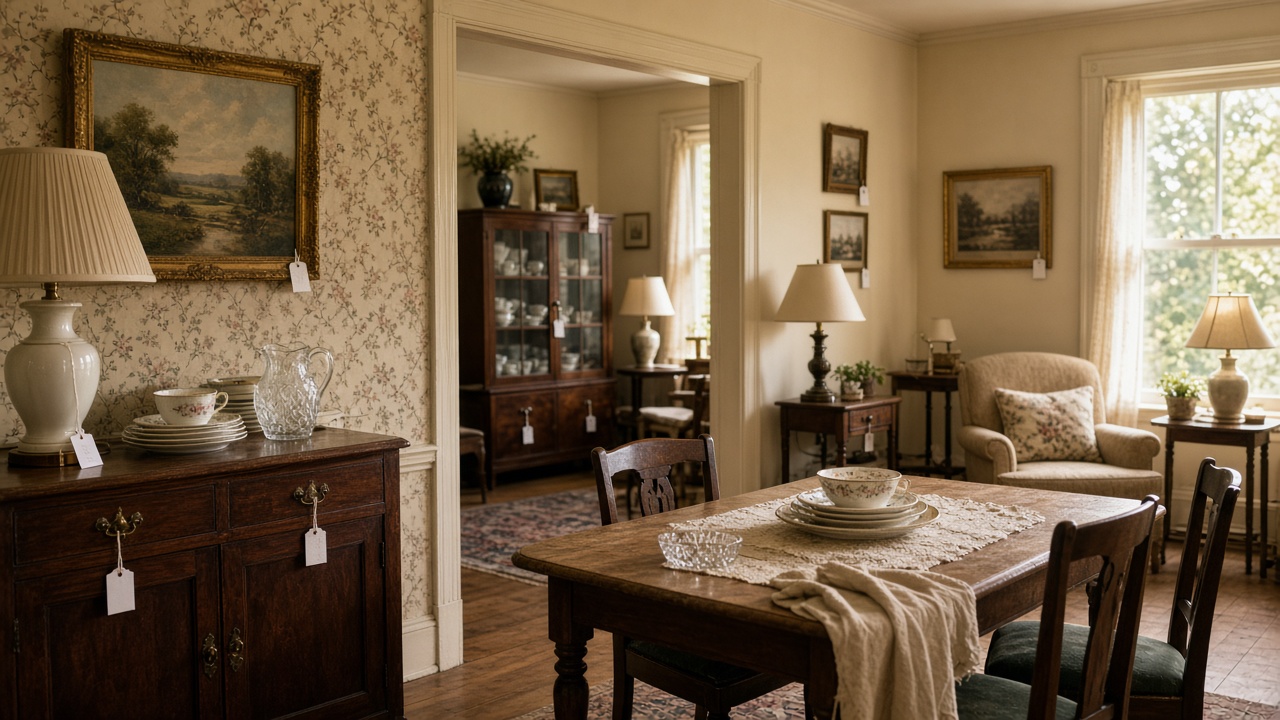
Estate Sale vs Auction: Which Is Right for You?
Compare estate sales and auctions on cost, effort, reach and timing to choose the best way to clear a home.
Thursday, October 15, 2026

For sellers
Auctions in Ontario · Thursday, October 15, 2026
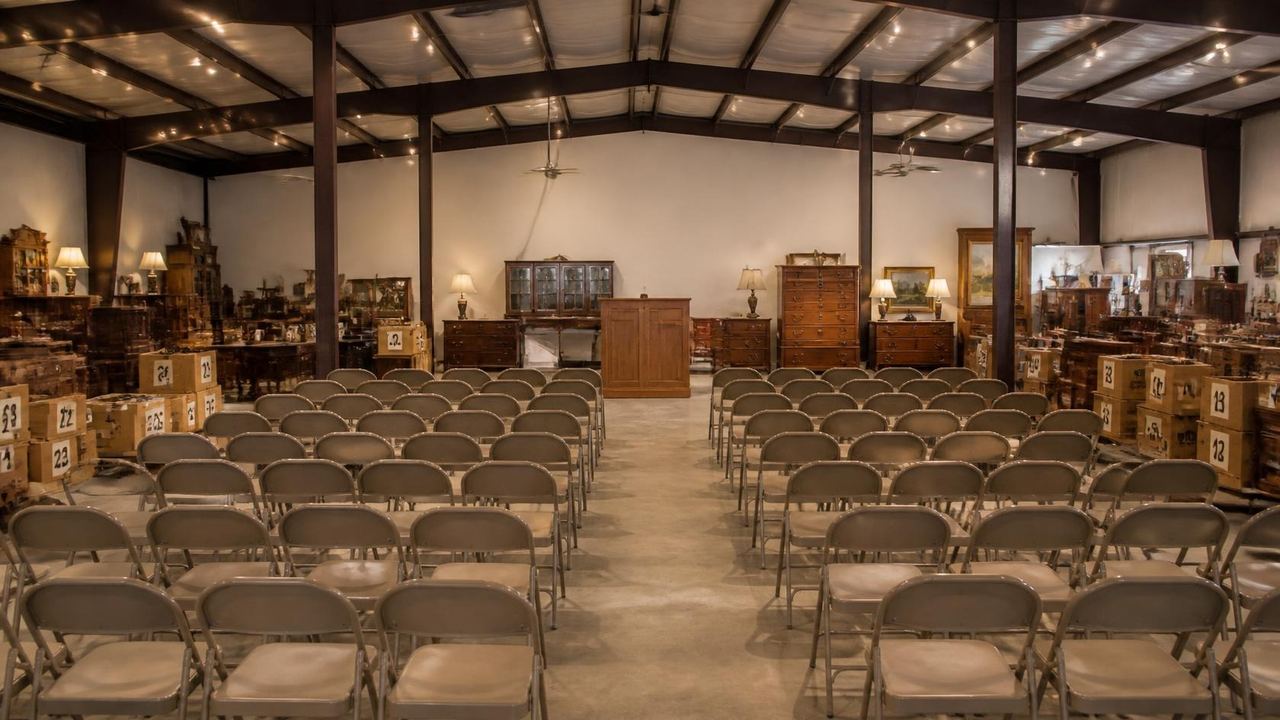
Choosing the right auctioneer can make a real difference to how smoothly a sale runs and how much you receive. Whether you are selling a farm, clearing an estate, closing a business or parting with a collection, the auction company you pick will handle your belongings, set expectations with buyers and manage your money. This guide walks through how to find and compare auctioneers in Ontario.
Key takeaways
- Define what you are selling first; auction companies tend to specialize.
- Review an auctioneer's recent sales and ask detailed questions before signing anything.
- Understand every cost, including commission and any additional charges, and get the agreement in writing.
- Decide whether a live, online or combined sale best suits your items and buyers.
Auction companies tend to specialize. Before you start calling, make a rough list of what you plan to sell and group it into categories:
A company that runs regular farm sales in rural counties may not be the best fit for a fine art collection, and a city liquidation firm may not have the buyer base for a herd of cattle. Matching the auctioneer to your goods is the first step.
Good places to start include:
Aim to contact at least two or three companies so you can compare.
The best evidence of how an auctioneer will handle your sale is how they have handled others. Look at a few recent sales and ask yourself:
If you can, attend a sale or preview in person. You will learn a lot from how staff treat buyers, how organized the site is and how bidding is managed.
When you speak with an auctioneer, ask direct questions and take notes:
A professional auctioneer will welcome these questions and answer them clearly.
Auction fee structures vary widely. Commission might be a single percentage, a sliding scale or a minimum fee plus a percentage. Some companies include advertising and labour in their commission; others bill them separately. The buyer's premium is paid by buyers, but it is still worth understanding because it affects how buyers bid.
Ask every company for a written estimate of costs and compare them on the same basis. The lowest commission is not always the best deal if expenses are added on top or if a company with a stronger buyer base would bring higher prices.
Many Ontario auctioneers now run timed online sales, live sales with online bidding, or traditional live sales. Each format has advantages:
Ask the auctioneer which format they recommend for your items and why.
Licensing requirements for auctioneers in Ontario can vary by municipality, so ask the company whether any local licence applies and whether they hold it. You can also ask whether they belong to a professional association. Beyond formal credentials, look for:
Before any items leave your property or any sale is advertised, get a written contract that covers:
Read it carefully and ask about anything unclear. If you are an executor or the sale is large, consider having a lawyer review it.
Once you have chosen an auctioneer, a few steps will help the sale go well:
Start your search in our auctioneer directory, then look at current sales near you, such as southwestern Ontario or eastern Ontario, to see how different companies run their auctions.
Start comparing auction companies in our auctioneer directory, and see what is selling now in southwestern Ontario and eastern Ontario.
For sellers
Compare estate sales and auctions on cost, effort, reach and timing to choose the best way to clear a home.
Thursday, October 15, 2026

For sellers
How to choose an auctioneer, what commission to expect and how to get the best result.
Tuesday, October 13, 2026